
September 10 is, on average, the peak of the Atlantic hurricane season, according to the National Hurricane Center. It is also a busy time for home insurance questions, especially if you are under contract on a home in Miami. Before an insurance company will quote or bind a homeowner’s policy, it often asks for one or two short reports: a four-point inspection and a wind mitigation inspection.
I have been helping buyers in the Miami market since 1995, and these two reports come up in almost every purchase. Here is what each one is, what changed this year, and how to fit them into your timeline without stress.
The general home inspection comes first
A general home inspection looks at the whole house for you, the buyer. The four-point and wind mitigation reports are different. They are written mainly for the insurance company, and they focus on the systems and features that affect insurance risk. Many inspectors can do all three during the same visit, which saves time during your inspection period.
What a four-point inspection covers
A four-point inspection looks at four areas of the home:
- Roof: the type of covering, its approximate age and its visible condition.
- Electrical: the panel, the type of wiring and any visible hazards.
- Plumbing: the type of pipes, the water heater and any visible leaks.
- Heating and air conditioning: the system’s age and general condition.
Insurers often ask for this report on older homes. The age cutoff and the exact form depend on the company, so ask your insurance agent early which reports the carrier you are considering requires.
What a wind mitigation inspection covers, and what changed in 2026
A wind mitigation inspection documents features that help a home resist wind damage, such as the roof covering, how the roof deck is attached, how the roof is tied to the walls, the roof shape, and whether windows and doors have protection against wind and impact.
Florida law requires insurers to offer discounts, credits or other rate differences for these features, under section 627.0629 of the Florida Statutes. The inspector records them on the state’s Uniform Mitigation Verification Inspection Form, OIR-B1-1802.
The Florida Office of Insurance Regulation revised that form this year. The new version, Rev. 04/26, has been required for inspections done on or after April 1, 2026. It asks for supporting documentation, such as at least one photo or document to validate each feature marked in several sections. According to the form, a completed verification is valid for up to five years, as long as no material changes have been made to the structure.
If the seller already has a recent wind mitigation report, ask for a copy. If it was done on the old form or the home has changed since, your insurance agent may ask for a new one.
Roof age and insurance: what Florida law says
Roof age is often the question that worries buyers most. Florida law, in section 627.7011(5), sets two rules for homeowner’s policies issued or renewed on or after July 1, 2022:
- An insurer may not refuse to issue or renew a policy solely because of the age of a roof that is less than 15 years old.
- For a roof that is at least 15 years old, the insurer must allow the homeowner to have the roof inspected by an authorized inspector, at the homeowner’s expense, before requiring replacement. If that inspection shows at least five years of useful life remaining, the insurer may not refuse to issue or renew the policy solely because of roof age.
This does not guarantee a price or approval, because insurers can still apply other underwriting rules. But it is helpful to know before you assume an older roof ends the conversation.
How to fit these inspections into your purchase
- Call an insurance agent as soon as you are under contract, or even before you make an offer, and ask which reports the carrier requires.
- Schedule the inspections early in your inspection period, so you have time to get quotes and ask questions.
- Ask the seller for existing reports, permits for the roof and windows, and any product approval numbers.
- Plan your monthly budget with insurance included. My Miami mortgage calculator, linked at the end of this post, lets you add an insurance estimate to the payment.
The bottom line
These two short reports can make a real difference in what you pay for insurance, and they are easier to manage when you plan for them from the start. If you are thinking about buying, my Buy a Home page walks through how I work with buyers, and my Miami mortgage calculator lets you add insurance to the monthly payment. I am happy to go over the steps with you, at your pace.
You can reach me at (305) 409-2815 or mflores@primefloridahome.com. Mariela Flores, P.A., Florida Capital Realty.
Warmly,
Mariela
References
- National Hurricane Center, Tropical Cyclone Climatology (peak of the season)
- Florida Office of Insurance Regulation, Wind Mitigation Resources
- Florida Office of Insurance Regulation, Uniform Mitigation Verification Inspection Form, OIR-B1-1802 (Rev. 04/26)
- Florida Statutes, section 627.0629 (windstorm mitigation discounts)
- Florida Statutes, section 627.7011 (roof age rules in subsection 5)
- Florida Department of Financial Services, Mitigation Notices, Inspections and Forms
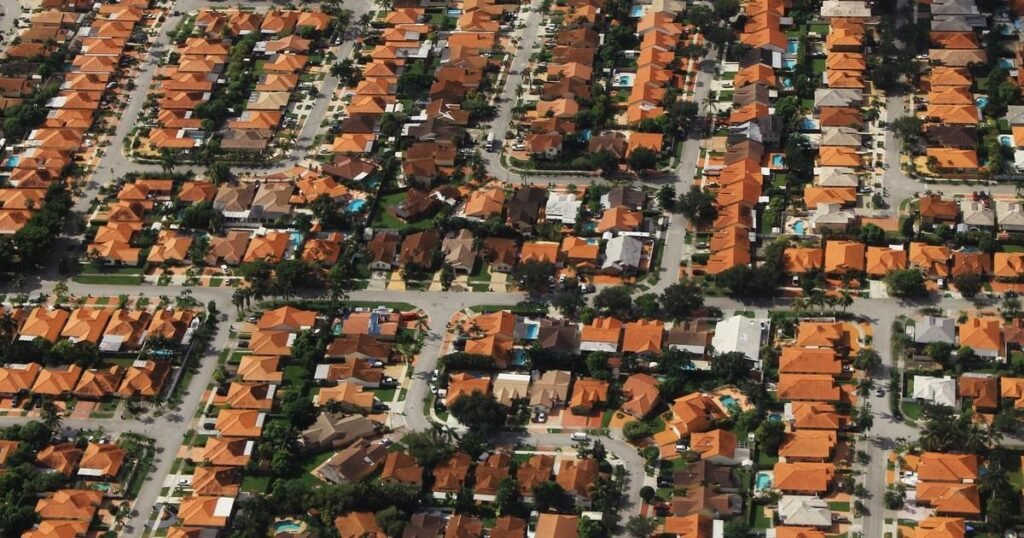
- Featured photo: Barrel Tile Roof Homes West of Miami by formulanone, CC BY-SA 2.0, via Wikimedia Commons, resized and framed on a blurred background
This article is general information and not insurance advice. Ask a licensed insurance agent about your policy.
Restored to our archive in 2026, reflecting the rules as of September 2026.