How New Flood Zone Regulations Affect the Miami-Dade Real Estate Market: Implications for Buyers and Sellers
How New Flood Zone Regulations Affect the Miami-Dade Real Estate Market: Implications for Buyers and Sellers
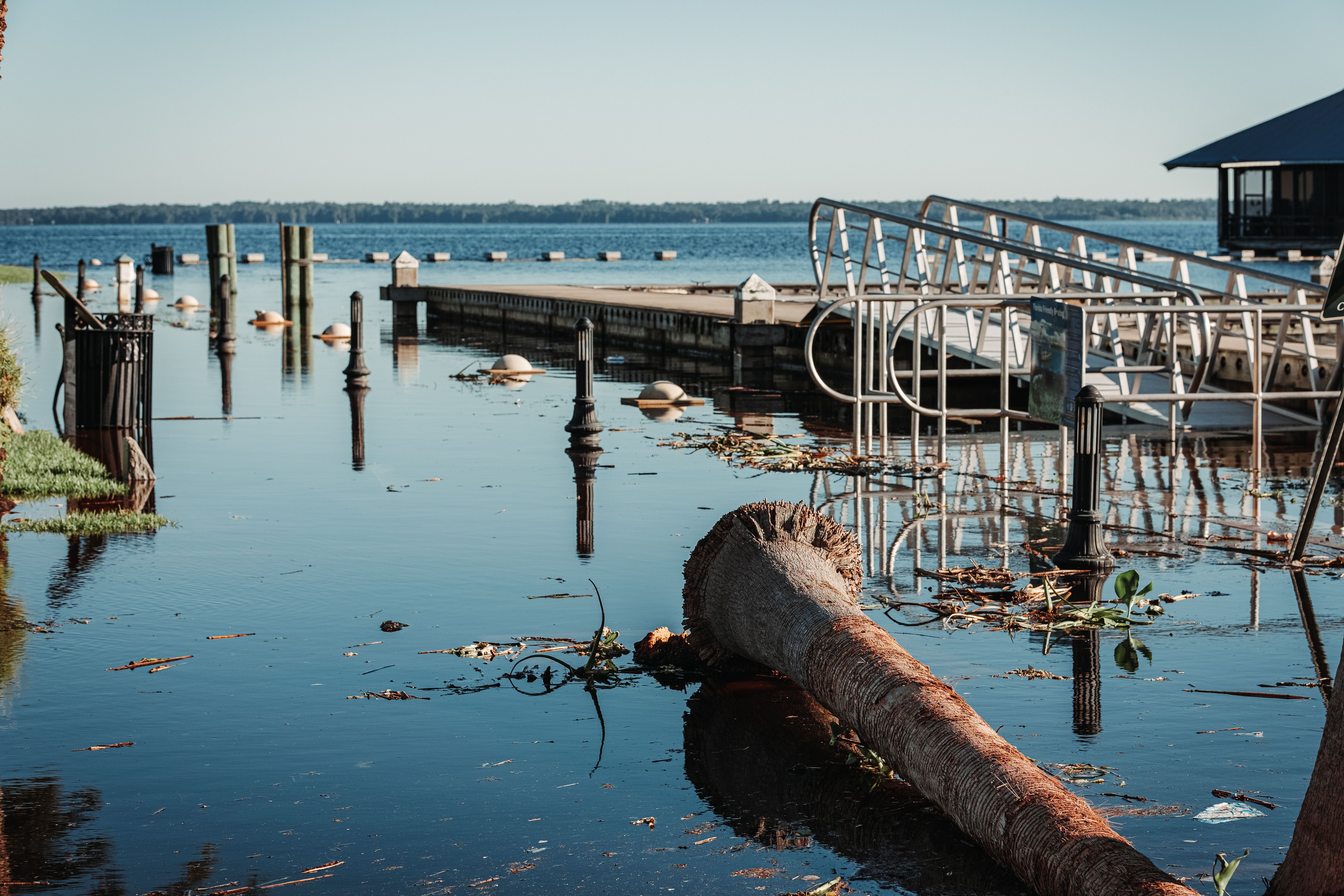
Miami-Dade County, known for its vibrant urban lifestyle and beautiful beaches, also faces unique challenges due to its coastal location. As sea levels rise and storms become more frequent, authorities have implemented new flood zone regulations to protect residents and their properties. These measures are significantly affecting the local real estate market, and both buyers and sellers should understand their implications before making decisions.
1. Higher Insurance Costs
The new regulations have identified areas with greater flood risk, leading to significant increases in property insurance premiums.
For example, in 2023, the average annual property insurance cost in Miami-Dade for homes located in moderate-risk areas was approximately $3,000. By 2024, after the new regulations took effect, the average premium increased to $4,200, representing a 40% increase.
This rise reflects the higher perceived risks and expanded coverage requirements insurers must provide for flood-related damage.
For buyers, these additional insurance expenses can substantially impact affordability by increasing total monthly housing costs. For sellers, properties located in higher-risk areas may become less attractive because of the increased insurance burden. As a result, many buyers are shifting their search toward lower-risk neighborhoods, changing market dynamics throughout the county.
2. Construction and Improvement Requirements
The new regulations also require properties in high-risk areas to meet stricter construction standards, such as:
- Raising foundation elevations
- Installing enhanced drainage systems
- Incorporating additional flood-mitigation measures
These requirements increase costs for developers and can influence the prices of newly constructed homes. Existing homeowners may also face expensive upgrades if they plan to sell their properties.
3. Shifts in Property Demand
The regulations are driving demand toward neighborhoods considered less vulnerable to flooding, which can increase property values in those areas.
For example, homes in Coral Gables, a lower-risk area, experienced increased demand. The average home price rose from approximately $1.2 million in 2023 to $1.35 million in 2024 as buyers sought alternatives to higher-risk locations.
Meanwhile, traditionally desirable areas with greater flood exposure, such as Miami Beach, have seen slower price growth and, in some cases, slight depreciation. Concerns about insurance costs and regulatory requirements are causing some buyers to reconsider investing in these locations, making sales more challenging for homeowners.
These changing preferences are reshaping the Miami-Dade real estate landscape.
4. Impact on Property Valuations
The new flood zone regulations are directly influencing how properties are appraised in Miami-Dade.
Appraisers must now consider the risks associated with flood-prone locations when determining a property's value. This has contributed to lower appraisals in affected areas, making financing more difficult for both homebuyers and homeowners seeking refinancing.
For example, a home in a high-risk flood zone that was valued at $800,000 in 2023 might receive an appraisal of only $750,000 in 2024 because of the added risks and costs associated with the property.
Lower appraisals can reduce the amount lenders are willing to finance, creating obstacles for buyers.
For sellers, a lower appraisal may require:
- Adjusting the asking price
- Offering additional incentives
- Waiting longer to find a willing buyer
As more high-risk properties receive lower appraisals, these areas may increasingly be perceived as less secure investments, further reducing demand.
Conversely, properties located in lower-risk areas are benefiting from stronger appraisals and easier access to financing. These neighborhoods are viewed as more desirable, resulting in faster appreciation and increased interest from both local and international buyers.
5. Incentives and Discounts
In response to these challenges, some sellers and developers are offering incentives to attract buyers, including:
- Discounts on sale prices
- Temporary insurance coverage paid by the seller
- Other buyer-focused concessions
6. Advice for Buyers and Sellers
For Buyers
Before purchasing a property, it is essential to:
- Review current flood zone maps
- Understand how regulations may affect long-term ownership costs
- Consult insurance professionals and real estate experts familiar with flood-risk areas
For Sellers
If your property is located in a high-risk flood zone, consider:
- Making improvements that reduce flood risk
- Adjusting pricing expectations to reflect market conditions
- Working with a real estate agent experienced in flood-zone transactions
Conclusion
The new flood zone regulations in Miami-Dade are intended to help protect communities from climate-related risks, but they are also reshaping the local real estate market. Staying informed and prepared can make a significant difference when buying or selling property in affected areas.